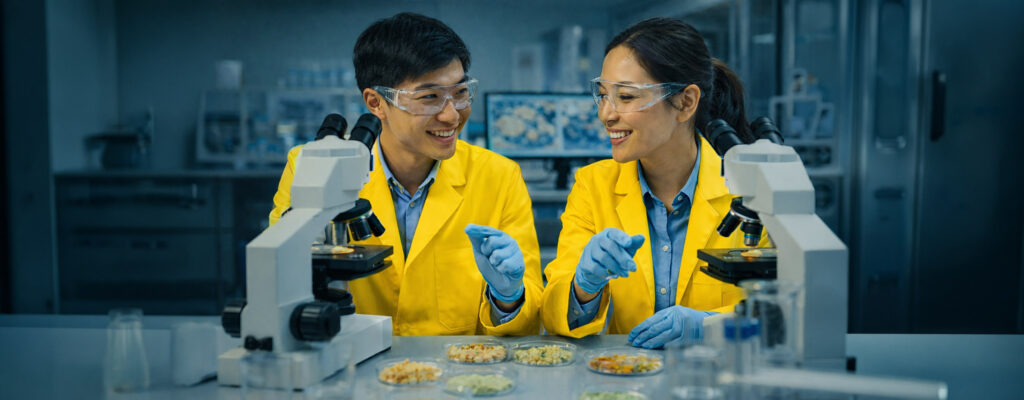
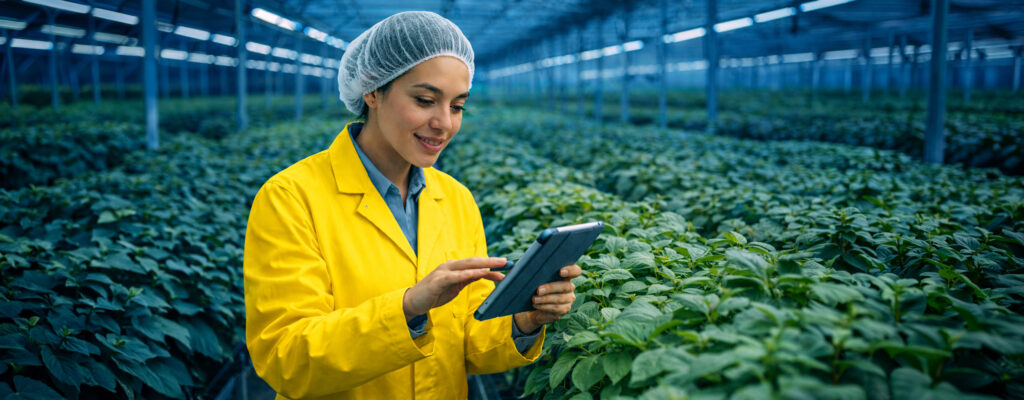
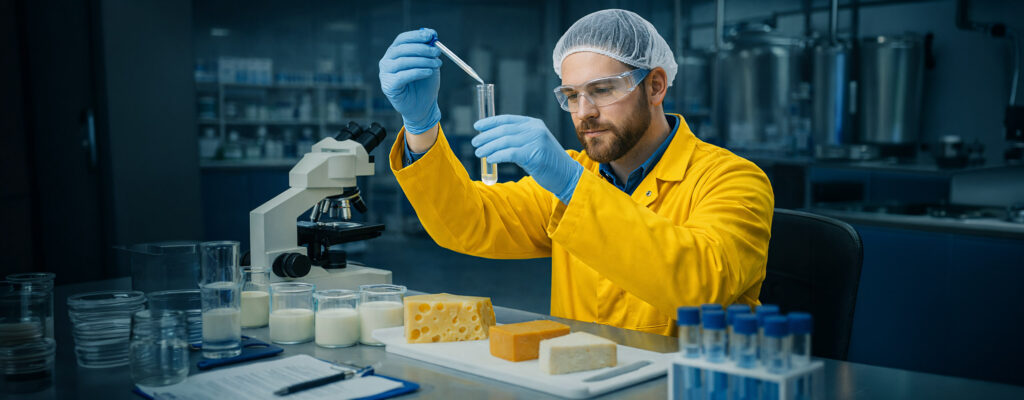
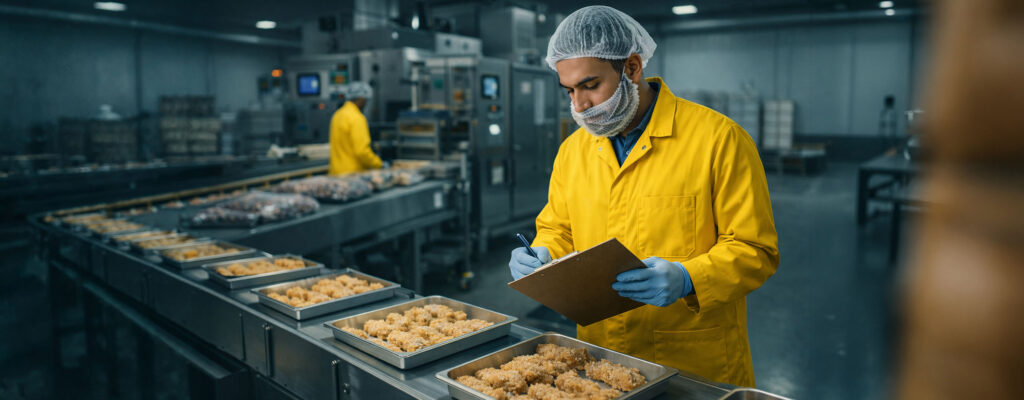
Master the systems and safeguards that protect food integrity from production to packaging. This course explores the biological, chemical, and physical hazards that threaten food safety within the food and beverage processing industry. Participants will examine how toxins, allergens, and physical contaminants enter the food supply—and how structured food safety management systems such as HACCP and Preventive Control Plans are used to identify, control, and prevent these risks. Emphasis is placed on hazard analysis, effective control measures, and documentation as part of everyday operations. By understanding how hazards and food safety systems work together, learners can strengthen compliance, protect consumers, and reinforce organizational credibility.
Skills you will learn:
Hazard analysis skills
HACCP system mastery
Preventive control plans
Compliance documentation
Learning Objectives
Upon completing this course, you will be able to:
Understand digital literacy and continuous learning by defining key concepts and applying the core aspects of digital literacy to everyday work.
Use digital tools to run operations better by working with automated processing systems, monitoring processes, and using mobile devices and digital work management systems appropriately.
Strengthen food safety and audit readiness by using digital documentation tools correctly and maintaining accurate, reliable records that support quality assurance, compliance, and inspections.
Protect and modernize the workplace by applying cybersecurity best practices and understanding how AI and machine learning are used to improve productivity, quality, and shelf-life prediction.
Who Should Take This Course?
Food safety and quality assurance professionals overseeing compliance.
Supervisors and production leads managing operational safety practices.
Employees seeking to expand their knowledge of hazard prevention and control.
Course Outline & Major Topics
Describe examples of chemical hazards including types of natural toxins and chemical toxins
Describe the significance of allergens as a chemical hazard and describe the components of an effective allergen management program
Describe examples of physical hazards
Define a Food Safety Management System (FSMS) and its importance in the food industry
List the principles and processes of Hazard Analysis Critical Control Point (HACCP) and Preventive Control Plans (PCP)
Describe the roles of national and international regulations and standards in ensuring food safety